







Search Results for: fresh milk vs. pure milk
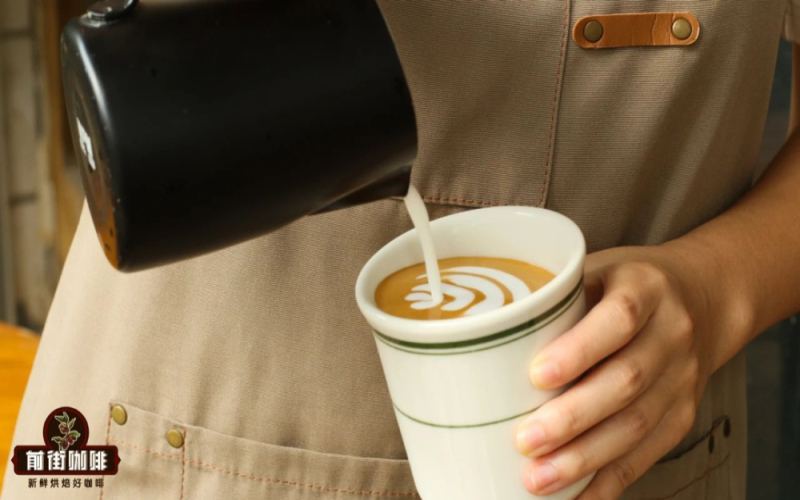
What Milk Should You Choose for Brewing Coffee? Whole Milk vs. Skim Milk—Which Pairs Better with Coffee?
The pairing of coffee and milk is a classic choice for many enthusiasts in their daily drinking. Milk can soften the bitterness while preserving the coffee's aroma, making the entire cup more drinkable. However, different coffee types have different requirements for milk: espresso needs a stronger base to support the milk flavor, while pour-over coffee, being lighter in nature, requires more caution when adding milk. This article discusses the principles of pairing coffee with milk, the coffee-to-milk ratio for latte, whether pour-over coffee is suitable for adding milk, and the difference between fresh milk and pure milk, and shares Front Street Coffee's practical experience in latte ratio adjustment, helping readers find a milk coffee solution that suits them. [more…]
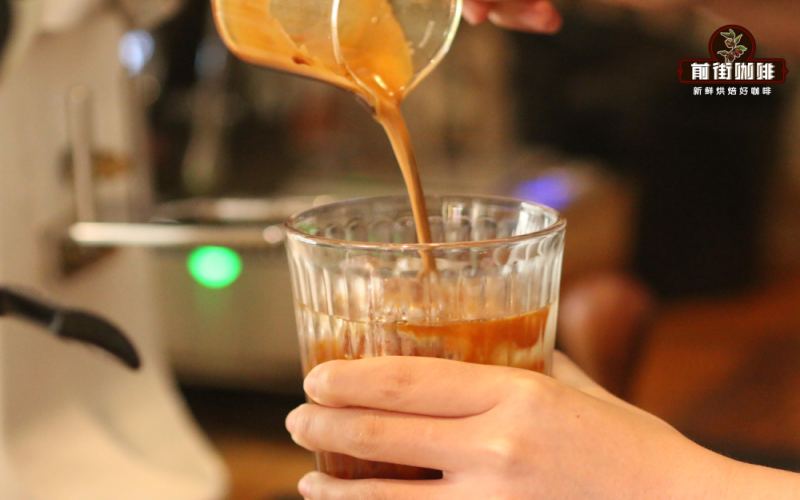
American Coffee vs. Latte: Flavor Characteristics Explained — From Espresso Diluted with Water to Blended with Milk, Which One Suits You Better?
Americano and latte are the two most common espresso-derived drinks in cafés: one presents the pure black coffee flavor of espresso diluted with water, while the other blends espresso with milk for a smooth sweetness. This article will start with the history of Americano, its advantages in alertness and value for money, the application of specialty beans, and Front Street Coffee's specific extraction scheme, then compare the origins, ratios, and preparation details of the latte, helping coffee lovers understand the differences between the two in taste, strength, and suitable occasions, so they can make a choice based on personal preference. [more…]
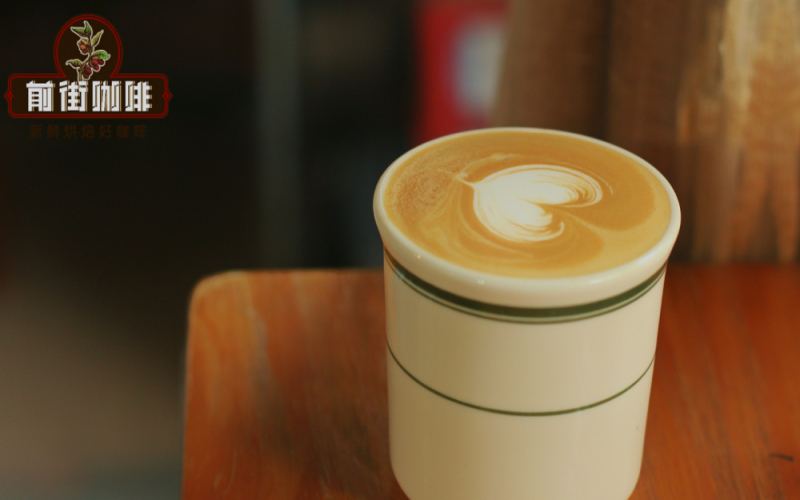
Which Milk Should You Choose for Coffee? A Side-by-Side Taste Test of Glass-Bottled Fresh Milk vs. Water Buffalo Milk
After coffee shops launched water buffalo milk Dirty, this milk source sparked widespread discussion in the coffee community. Water buffalo milk is familiar to friends in Guangzhou, Foshan, and Guangxi, but how does it actually perform in coffee? This article, through hands-on comparisons of glass-bottled fresh milk and water buffalo milk, makes hot lattes, Dirty, and iced mochas respectively, recording one by one from milk foam fineness, coffee integration, layering effect, to flavor layers. At the same time, it will also sort out the effects of pasteurization and ultra-high-temperature sterilization on milk taste, helping coffee lovers and cafe owners find milk suitable for pairing with coffee. [more…]
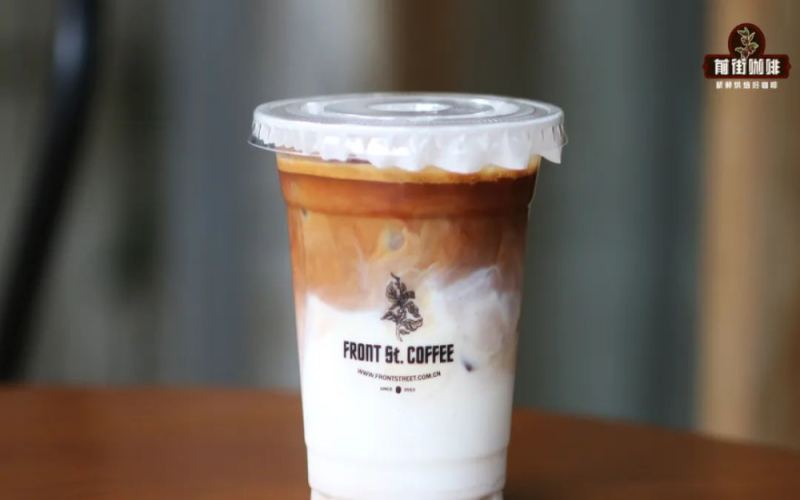
What is the difference between fresh milk and pure milk? Which milk and espresso blend beans should be chosen for milk coffee?
To make a satisfying espresso-based milk coffee at home, the choice of both the espresso base and the milk is equally crucial. The espresso determines the flavor direction, mainly depending on the espresso beans; the milk, while blending with the coffee and diluting its concentration, makes the sweetness more prominent and the mouthfeel richer. This article breaks down the selection logic for espresso beans from three angles: roast level, single-origin versus blend, and origin, explaining why espresso beans are usually roasted darker, and what kind of milk coffee African, Asian, and American beans are each suited for. The article also provides specific flavor descriptions and suitable audiences for three Front Street Coffee espresso blends, and reminds readers of the impact of freshness on flavor layers, while also discussing the difference between fresh milk and pure milk, as well as the real gap in extraction quality of home espresso machines. [more…]

Latte vs. Cappuccino: A Comprehensive Analysis—From Milk Foam Ratio, Taste and Flavor to Origins and History
Latte and cappuccino are the two most frequently ordered espresso milk coffees in coffee shops, both based on espresso with milk and milk foam added, similar in appearance yet each with its own character. Many coffee lovers wonder: what exactly is the difference between these two drinks? This article, from the perspective of a Front Street Coffee barista, first clarifies the category classification of latte and mocha, then compares latte and cappuccino item by item around milk foam thickness, latte art performance, ingredient ratios, and mouthfeel, while also tracing the origins and historical development of the two coffees. The article also incorporates the flavor performance of Front Street's specialty blend coffee beans to help readers make a more suitable choice based on their own preference for coffee strength. [more…]

Australian White Coffee Taste and Mouthfeel | Flat White vs Latte: Which Tastes Better and Has a Stronger Coffee Flavor? Is There a Big Difference Between a Latte and an Aussie White?
Sometimes, just coffee and milk alone can be played with in endless variations, leaving outsiders utterly confused about the differences. Take latte and Flat White, for example—both are made by mixing espresso with milk, yet they offer two entirely different experiences. If [more…]
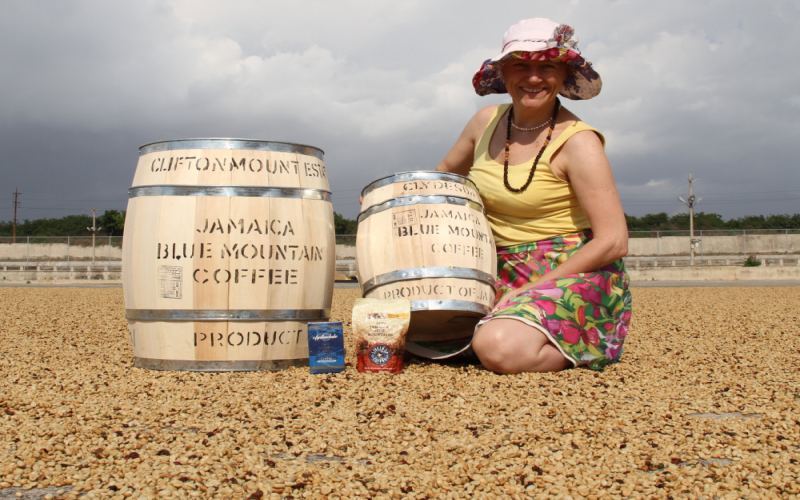
Jamaican Blue Mountain Coffee vs Cappuccino Taste Comparison: Blue Mountain Coffee Bean Grades, Prices, and Key Points for Authenticity Identification
Blue Mountain coffee is often regarded as the pinnacle of coffee, but the market is flooded with products bearing the name "Blue Mountain." What grade do coffee beans truly grown in Jamaica's Blue Mountains actually belong to, why do their prices remain so high, and how does their taste compare with cappuccino? This article, from the perspective of Front Street, sorts out the production region system, grading standards, and historical quota changes of authentic Blue Mountain coffee, introduces the characteristics and brewing suggestions of Clifton Farm Blue Mountain No. 1, distinguishes between Blue Mountain flavor coffee beans and Blue Mountain instant coffee, and finally explains the suitable audiences for Blue Mountain coffee and cappuccino respectively. [more…]
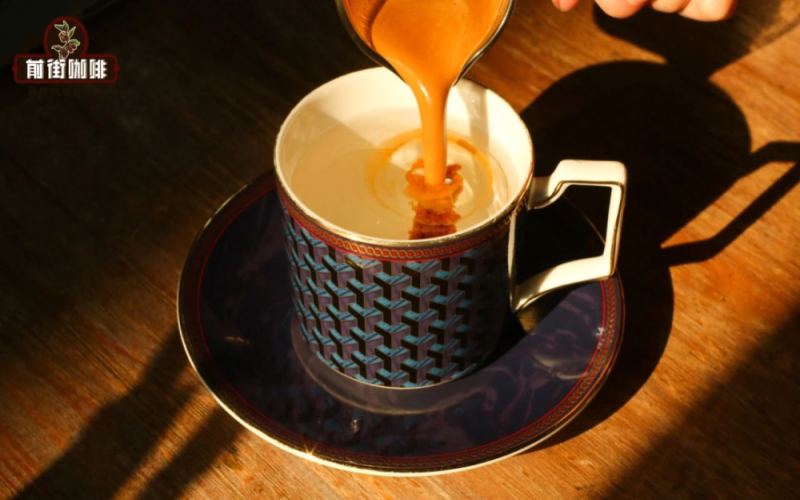
Espresso Coffee Types | Americano vs. Latte: Which Tastes Better? Why Is Americano Black Coffee So Popular?
Americano is one of the most popular coffees. Whether it's office workers during the week or people out having fun on weekends, holding a cup of Americano is standard. So what is the magic of Americano that makes everyone love it so much? Made only of espresso and water, the Americano is available at almost every cof [more…]
The Correct Way to Mix Coffee with Milk: A Guide to Ratios, Suitable Coffee Types, and the Difference Between Fresh Milk and Pure Milk
The pairing of coffee and milk may seem simple, but it actually places strict demands on the coffee's own strength and flavor profile. Starting from the golden ratio of coffee to milk, this article explains why deep-roasted coffee with a bitter-leaning character is better suited to combining with milk than acidic coffee, and uses espresso and latte as examples to introduce the 1:6.5 blending scheme of Front Street Coffee Sunflower Warm Sun Blend and Vitasoy Fresh Milk. It also discusses whether pour-over coffee can have milk added, which types of pour-over are suitable for adding milk and the recommended amounts, and finally sorts out the five differences between fresh milk and pure milk in terms of shelf life, storage method, sterilization process, nutritional value and taste, helping coffee lovers find a cup that is smooth yet still retains coffee flavor. [more…]
A Comprehensive Analysis of Single-Origin Coffee vs. Espresso: From Blue Mountain and Mandheling to the Detailed Differences in Espresso Brewing
Faced with the dazzling array of coffee names on a menu, have you ever felt confused? Blue Mountain, Mandheling, Cappuccino, Latte—what exactly is the difference between these coffees? In fact, the coffee world is mainly divided into two major camps: single-origin coffees classified by region, and espresso-based Italian coffees. This article will systematically sort out the origin stories and flavor characteristics of classic single-origin coffee categories such as Blue Mountain, Mandheling, Brazil, and Mamba, explain in detail the key points of brewing methods such as siphon and pour-over, and deeply analyze the concentration standards, milk foam ratios, and crafting techniques of Italian coffee. Whether you are a beginner or a seasoned enthusiast, you can gain practical coffee knowledge from it. [more…]
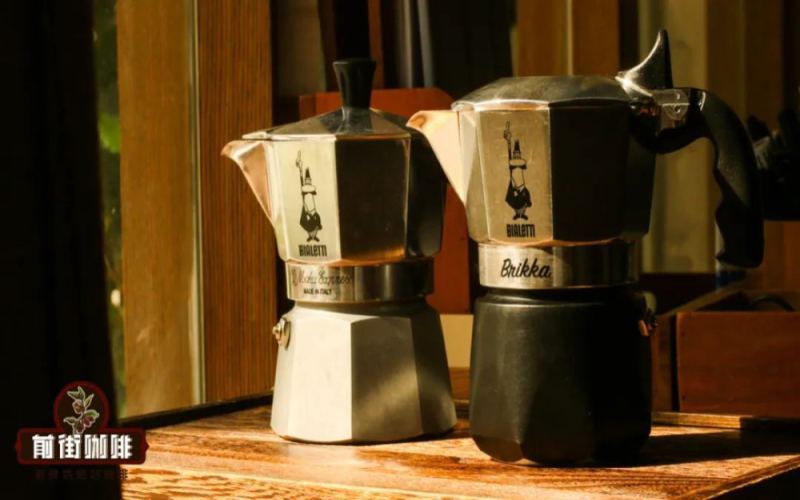
Moka Pot Buying Guide: Single-Valve vs. Double-Valve Differences, Choosing the Right Size for Home Use, and Compatibility with Espresso Blend Beans
As the autumn and winter camping season arrives, the moka pot has once again become a popular piece of gear among outdoor coffee enthusiasts. However, faced with the two options of single-valve and dual-valve models on the market, many consumers hesitate, unsure of the differences between them. From the perspective of Front Street Coffee, this article takes a deep dive into the extraction principles of the moka pot, compares the specific differences between single-valve and dual-valve models in terms of pressure, concentration, crema performance, and suitable scenarios, and answers the question of whether espresso blends can be used in a moka pot. At the same time, for home users, it offers practical advice on choosing the right moka pot size. Whether you're after a rich milk coffee or prefer a pure black coffee, this guide will help you make a wiser purchasing decision, so that every penny is well spent. [more…]

The Complete Guide to Buying Espresso Beans: Arabica vs. Robusta, SOE vs. Blends, Roast Levels, and Answers to Common Beginner Questions
Newcomers to coffee, when faced with a dazzling array of coffee beans, are often confused by all kinds of technical terms and don't know where to start. In fact, choosing coffee beans is not complicated—as long as you grasp a few key points, you can find the one that suits you. This article addresses the five questions beginners encounter most often: how to distinguish Arabica from Robusta, how to choose between blended beans and single-origin beans (including SOE), the respective characteristics of dark roasts and light roasts, the necessity of roast dates and resting beans, and whether grinding is recommended. It also draws on specific products from the Front Street Coffee bean list—such as the classic blend, Ethiopia Halo Berry, Brazil Queen's Manor, and Indonesia Golden Mandheling—to provide flavor descriptions and buying advice, helping you take fewer detours in the world of espresso. [more…]
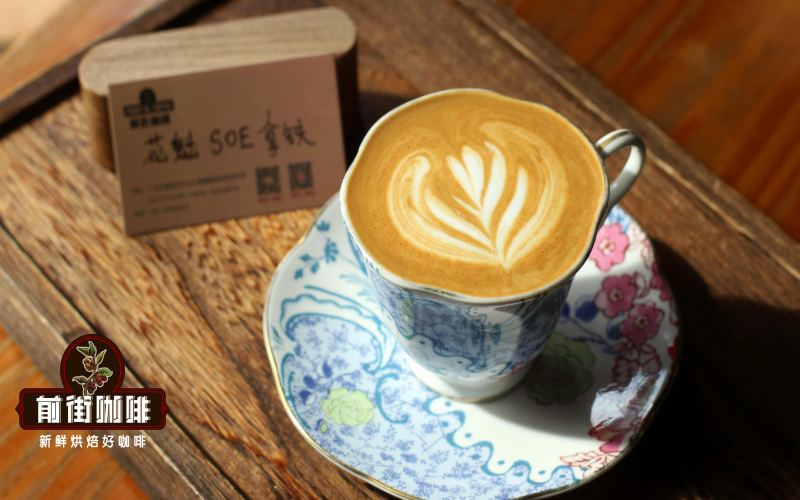
SOE Espresso Flavor Analysis: Single-Origin Beans vs. SOE Differences and Suitable Coffee Bean Selection
SOE (Single Origin Espresso) refers to espresso made from a single origin of coffee, and in recent years it has entered the public eye along with the specialty coffee wave. Many coffee enthusiasts often ask why Front Street Coffee does not offer SOE drinks, and behind this lie considerations of output consistency and flavor control. Starting from the definition of SOE, this article will analyze its essential differences from single-origin coffee, explain how high-pressure extraction amplifies the flavor characteristics of a producing region, and explore the types of coffee beans suitable for making SOE—such as distinctive African natural beans or specially processed beans from Central and South America. At the same time, the article will also sort out practical points such as roasting curve settings, extraction parameter adjustments, and milk ratio pairing, to help readers fully understand the charm and limitations of SOE coffee. [more…]

What Is Black Coffee? A Guide to Hand Pour vs. Americano and Front Street Coffee Bean Flavors
Black coffee refers to pure coffee with no added sugar, milk, or other ingredients, and it showcases the aroma and flavor layers of the coffee beans themselves to the greatest extent. However, if the beans are of poor quality or the extraction is improper, it can easily become bitter and hard to swallow. Americano, pour-over, and cold brew commonly found in coffee shops all fall under the category of black coffee; the difference lies in the extraction method. Pour-over coffee is filtered through paper, giving it a clean taste and moderate strength, making it more suitable for people who are new to coffee. This article will explain in detail the definition of black coffee, its pros and cons, and the differences between pour-over and Americano, and will also include recommendations for several Front Street Coffee beans, covering producing regions in Africa, Central and South America, and Asia, to help you choose the right coffee based on your flavor preferences. [more…]
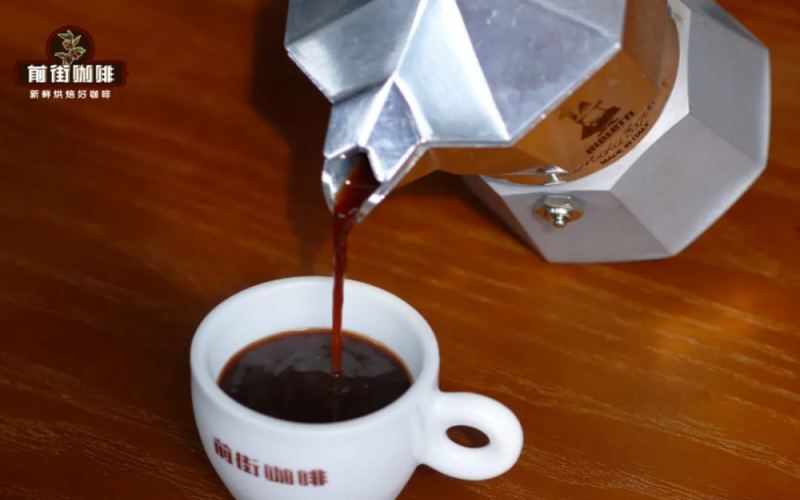
Espresso vs. Black Coffee: A Full Breakdown of Definitions and Flavor Characteristics
Many people are used to calling coffee with no sugar and no milk simply "black coffee," but does espresso really count as black coffee? What exactly is the relationship between espresso and black coffee? Starting from definitions, this article clarifies the logic behind how espresso and black coffee are classified, and takes a deep dive into espresso's extraction standards, the principles behind the formation of Crema, the effect of roast level on the thickness of the crema, and the flavor differences brought by different coffee beans. At the same time, drawing on two beans—Front Street Coffee's Espresso Specialty Blend and Sunflower Warm Sun Blend—it presents the specific mouthfeel and flavor performance of espresso, helping coffee lovers understand this classic coffee type more systematically. [more…]
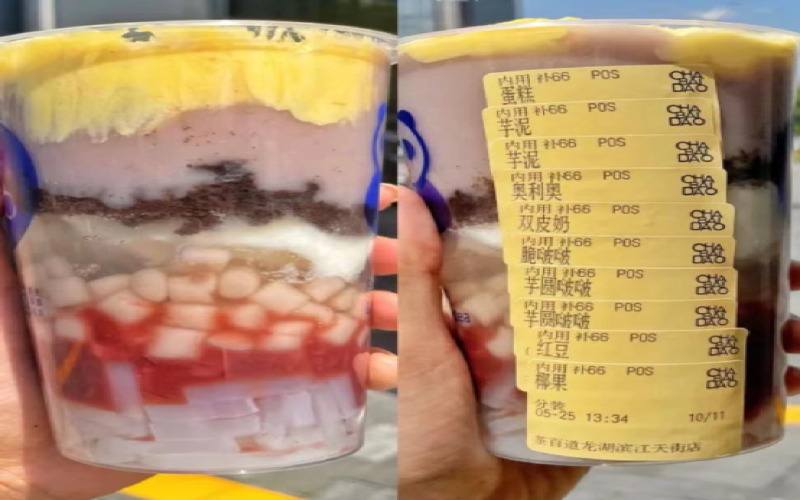
Under the cross-industry beverage trend, the boundary between coffee and milk tea is becoming increasingly blurred, and a blind taste test reveals that nearly half of consumers struggle to tell them apart accurately.
These days, walking into any beverage shop, the variety on the menu is always dazzling. Boba shops are selling porridge, cafes surprisingly offer lemon tea, and industry competition has long entered a white-hot stage. More noteworthy is that the boundary between coffee and milk tea is being continuously broken: oats, fermented rice, thick milk, and osmanthus are all being added to coffee, the traditional bitter taste is weakened, and the flavor is moving closer to milk tea. A science blogger on Weibo once organized a blind test, asking participants to distinguish between coffee and milk tea with similar flavors, and surprisingly nearly half of the people could not accurately tell them apart. Coffee's localization and youth-oriented strategies, the migration of childhood milk tea memories, and various novelty pairings have jointly driven this trend. This article takes you to explore the phenomenon of coffee becoming more like milk tea and the logic behind it. [more…]
Yirgacheffe Specialty Coffee Flavor Analysis: Washed vs. Natural Taste Differences and Cold Brew Selection Guide
Yirgacheffe is a small town on the Ethiopian highlands and one of the highest-altitude coffee-producing regions in the world, and it has gradually become synonymous with specialty coffee. Its distinctive fruity acidity has captivated many single-origin enthusiasts. This article explores the allure of Yirgacheffe from multiple angles, including its origin background, the taste differences between washed and natural processing methods, and the selection of coffee beans for cold brew. It also introduces the respective characteristics of Front Street Coffee's washed and natural Yirgacheffe offerings, as well as light-to-medium roast beans suitable for cold brew, helping you find the cup that best suits your taste. [more…]
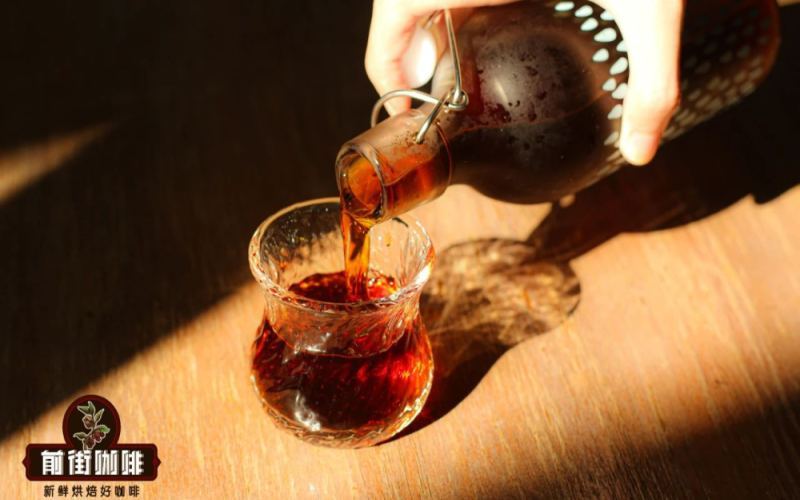
The Complete Guide to Pour-Over vs. Espresso: From Bean Selection and Extraction Methods to Cold Drip and Cold Brew
What exactly is the difference between pour-over coffee and espresso? This article compares them across three dimensions—coffee bean selection, brewing method, and caffeine content—and takes a deep dive into the specific workflows of espresso and pour-over coffee, including the extraction parameters and equipment setup used at Front Street Coffee's shops. It also introduces the characteristics and differences between two cold-extraction methods: ice drip coffee and cold brew coffee. Whether you're a beginner just getting into coffee or an enthusiast hoping to refine your brewing skills, you'll find practical reference information here and gain a feel for how different extraction methods change the flavor. [more…]
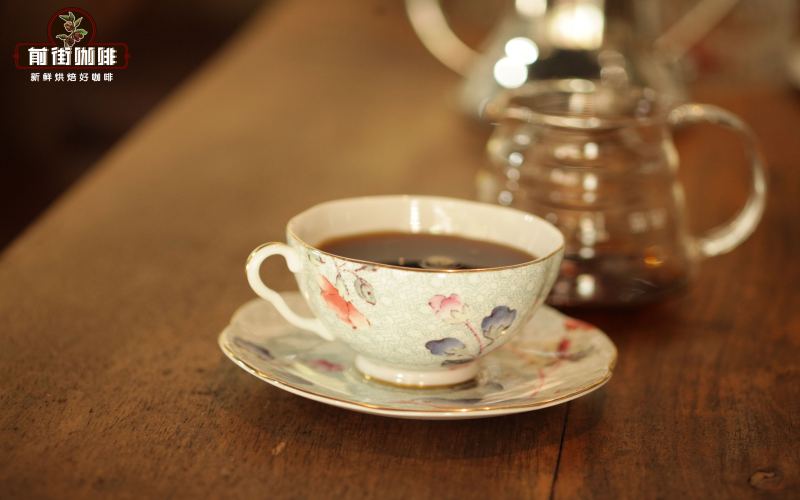
Hand-Brewed Single-Origin Coffee vs. Espresso Machine Extraction: A Comprehensive Comparison from Bean Selection to Brewing Technique
In coffee shops, espresso-based coffee and single-origin coffee form the two core categories. The former relies on a coffee machine to produce rapid output under high pressure, with a rich and mellow taste, suitable for pairing with milk; the latter is mostly presented in the form of pour-over, emphasizing origin flavor and a clean mouthfeel. The two differ significantly in everything from coffee bean selection, roast level, to extraction method and brewing technique. This article will take the practices of Front Street Coffee as an example, comparing them one by one across dimensions such as coffee bean variety, roast degree, extraction principles, coffee-to-water ratio, and pouring technique, to help coffee enthusiasts understand the essential differences between pour-over and machine-produced coffee, and to master the complete brewing process for pour-over coffee as well as the standard operating steps for an espresso machine. [more…]
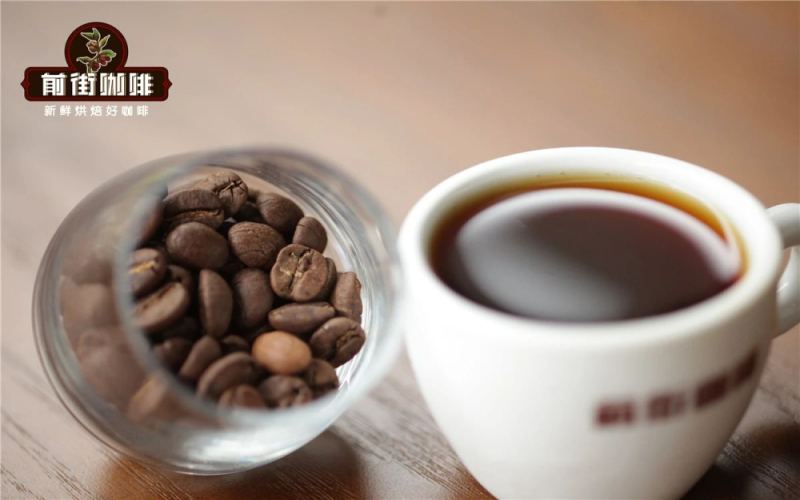
SOE Single-Origin Espresso vs. Espresso Blend Beans: Which Is Better? A Comprehensive Analysis from Definitions to Front Street Coffee Bean Selection Advice
Since the rise of specialty coffee in China, the debate over whether espresso should use single-origin beans or blended beans has never ceased. The SOE camp emphasizes the pure quality of single-origin specialty beans, while the blend camp values the balance and crema performance brought by blending multiple origins. This article will start with the full name and origin of SOE, review the historical milestone of James Hoffmann winning the 2007 WBC with single-origin beans, analyze why blended beans were once stigmatized, and explain the pros and cons of each. At the same time, drawing on the views of Front Street Coffee, it offers selection advice for coffee shops and home users, and finally includes specific flavor information for Front Street's recommended SOE coffee beans and three espresso blends, helping readers build a more complete understanding. [more…]